Turning Cans and Metals Into Estate-Wide Savings
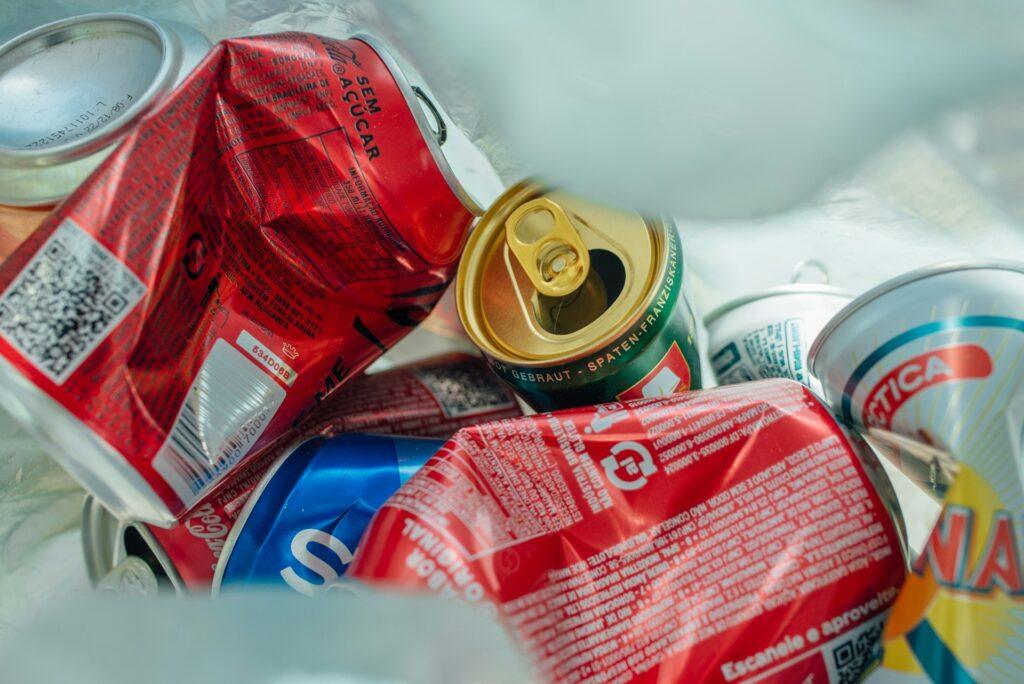
Cans and metal recycling can seem like a small part of your overall waste picture, especially when you manage a large UK estate with many busy sites. Yet when those aluminium drink cans, food tins and scrap metal are added up across retail parks, offices, hospitality venues or campuses, they quickly become a major stream with real financial and environmental impact.
Across multi-site estates, we see growing pressure from compliance, ESG reporting and cost control. General waste is expensive, expectations from customers and investors are rising, and operations teams are under time pressure. A joined-up cans and metal recycling strategy helps pull these threads together. It cuts disposal to general waste, increases material recovery and gives you reliable data for your sustainability reporting.
Working with a single UK-wide partner makes this far easier. With a coordinated approach, you can have consistent collections, standard rules for segregation and one set of reports across the whole estate, instead of a patchwork of local arrangements that are hard to manage or compare.
Why Cans and Metal Recycling Matters for Multi-Site Estates
Across large estates, metals turn up everywhere. Busy food courts, bar areas and staff canteens can generate big volumes of drink cans and food tins, especially in warm weather when cold drinks sell fast. Maintenance teams deal with metal packaging, spent fixtures and fittings, and old equipment. Even office floors create metal waste from catering, vending and cleaning activities.
Focusing on cans and metal recycling brings clear benefits:
- Less general waste, so fewer collections and lower disposal needs
- Better use of materials that can be recycled many times
- Cleaner back-of-house areas, with easier handling for staff
There is a strong environmental case too. Recycling metals helps cut carbon impact compared with using new raw materials. Every can or metal item that goes into the recycling stream, instead of mixed waste, supports your wider carbon and resource goals.
This all feeds directly into ESG performance. High metals recycling rates:
- Support your waste hierarchy duties by prioritising recycling over disposal
- Strengthen tender responses where responsible sourcing and waste performance are assessed
- Give your teams positive stories to share with customers, staff and investors
For multi-site estates, the real value comes when all locations work to the same plan, with shared goals and consistent reporting.
Mapping Your Estate-Wide Metals Waste Streams
The starting point is to understand where cans and metals arise across your estate. A simple, structured audit across a sample of sites can highlight where the biggest gains sit and what is holding recycling back.
Key areas to review include:
- Front-of-house: public bins, food courts, outdoor seating, vending and event areas
- Staff spaces: canteens, break rooms, meeting rooms and office kitchens
- Kitchens: catering operations, prep areas, dishwashing and back-of-house storage
- Maintenance and stores: workshop areas, plant rooms, grounds teams and storage cages
- External zones: loading bays, service yards and compactors
When you map these streams carefully, patterns become clear. You might see high levels of cans mixed into general waste in staff spaces, or scrap metal going into skips with mixed materials. From there, the focus is to make the right action choice as easy as possible for staff and visitors.
Standardisation is key across a multi-site estate. That means:
- The same container colours and labels for metals at all locations
- Simple yes/no messaging on signs so anyone can understand what goes where
- Clear placement of bins to match how people actually move around the space
Consistent design helps people do the right thing without needing to think too hard about it. It also reduces training time when staff move between sites.
This is where coordinated data comes in. When one provider manages collections for cans, mixed recycling, general waste and skips across your estate, it becomes far easier to pull everything into central reports. Procurement, operations and sustainability teams can see performance by region, brand or site type, then agree changes from a single, reliable data set.
Designing a Practical, Summer-Ready Collection System
Across the UK, summer usually brings more footfall, longer opening hours and more outdoor events. That often means more drink cans and food packaging, especially in retail, leisure, tourism and education settings. If your collection system is not ready for that uplift, metals bins can overflow and contamination levels rise.
Planning for peak periods should cover:
- Higher collection frequencies for high-volume areas
- Extra containers during events or seasonal trading peaks
- Clear communication to site teams on what will change and when
Choosing the right mix of containers is just as important as collection schedules:
- Internal bins for cans and metal packaging in staff and public areas
- External wheeled bins or containers for sites with steady volumes
- Skips or larger containers for high-volume, industrial or refurbishment work
- Flexible options for remote or hard-to-reach locations across your estate
Good labelling and communication make the whole system work. Staff and visitors are far more likely to separate metals correctly if it is obvious and simple. Use:
- Plain language on signs: “Cans and metal only” rather than technical terms
- Icons or pictures of accepted items to remove confusion
- Short, practical training during team briefings, with quick refreshers before busy periods
Clean, well-segregated metals streams are more likely to be recycled efficiently and to hold their value. That supports both your sustainability goals and your overall waste strategy.
Ensuring Compliance, Traceability and Cost Control
For estates and facilities managers, compliance is non-negotiable. Metals streams might seem low risk, but if items like aerosol cans, paint tins or other hazardous materials slip in, they need careful handling. Clear segregation rules and staff guidance reduce the chance of hazardous waste mixing with general metals.
Key points to focus on across your estate include:
- Duty of Care, with correct classification of each waste stream
- Clear paperwork, such as waste transfer notes for collections
- Agreed handling rules for any hazardous materials that might sit near metals
Traceability matters for both regulators and ESG stakeholders. When your metals are collected, you should know:
- Where they go after collection
- Which approved facilities process them
- How much is recovered for recycling
A single provider across all your UK sites makes this far more straightforward. You can access consistent documentation for audits and ESG disclosures, instead of chasing different formats from multiple suppliers.
Cost control fits closely with good data. When you have site-level information on volumes and contamination, it is easier to:
- Adjust collection frequencies so bins are well used but not overflowing
- Rebalance the mix between general waste and recycling
- Spot problem sites and support them with training or layout changes
This data-led approach turns cans and metal recycling from a basic service into a managed performance stream.
Partnering to Scale Metals Recycling Success
Cans and metal recycling is one of the quickest areas where multi-site estates can improve performance. Small changes at individual locations add up fast when rolled out across dozens of sites.
We often see quick wins in areas like:
- Introducing clear metals bins in staff and public spaces
- Separating maintenance scrap from general waste
- Adjusting collections ahead of busy periods, such as large events or holiday peaks
Starting with a pilot on a small group of sites can be helpful. Estates teams can test signage, staff training, bin locations and collection frequencies, then lift and shift what works into a wider rollout. This reduces disruption and lets you refine your approach before applying it across the full estate.
With a coordinated UK-wide waste partner, you can bring cans and metal recycling into your broader waste strategy, with clear lines between operations, compliance and reporting. That way, metals are no longer an afterthought, but a structured part of how your estate cuts waste, recovers resources and supports ESG goals.
Make Your Metal Waste Work Harder For Your Business
If you are ready to maximise value from your scrap, our specialist cans and metal recycling service provides a straightforward, compliant solution tailored to your operations. At JBM Environmental Services Ltd, we help you reduce waste, cut disposal costs and improve your environmental performance with reliable collections and transparent reporting. To discuss your requirements or arrange a collection schedule that suits your site, simply contact us today.
 English
  Arabic