Safeguarding Mixed-Use Sites From Liquid Waste Risks
Liquid waste disposal on mixed-use sites is rarely simple. One building can hold shops, offices, restaurants, car parks and homes, all feeding into the same drains and shared spaces. That means more types of liquid waste, more people using the systems and a higher chance that something goes wrong.
In the UK, mixed-use sites might include retail with flats above, business parks with gyms and coffee shops, or light industrial units next to offices and restaurants. Each activity adds its own liquid waste, from fats and oils to washwater and trade effluent. When this is not managed properly, it can quickly lead to odours, blocked drains, leaks and unhappy tenants.
Late June and the warmer months are a pressure point. Footfall rises, people buy more food and drink, AC units and cooling systems work harder and storms can arrive with little warning. All of this increases liquid waste volumes and puts more stress on drains, interceptors and storage. Getting liquid waste disposal right is not only about staying compliant, it is about protecting people on site, keeping operations smooth and safeguarding the reputation and running costs of the whole property.
Understanding Liquid Waste on Mixed-Use UK Sites
On a typical mixed-use site, several liquid waste streams appear at once. Common examples include:
- Fats, oils and grease from food outlets and cafés
- Washwater and detergents from cleaning contractors and janitorial teams
- Trade effluents from light industrial units, such as process water or cooling water
- Leachate from compactors, waste storage areas or bin stores
- Surface water run-off from car parks, sometimes with hydrocarbons or silt
Residential areas on the same site add another layer. Misuse of toilets and sinks, wipes and sanitary items down the drain and casual disposal of paint, solvents or DIY chemicals can all cause problems. Some of these liquids should be handled as hazardous waste, not poured into the drainage system.
It is also important to understand where the regulatory lines sit. In simple terms:
- Trade effluent is any liquid waste from a business process that goes to the public sewer
- Discharge consents from the water company are often needed for this type of waste
- Some liquids must not go to sewer at all and instead need specialist collection and treatment
This is where mixed-use layouts can be tricky. One drain run might carry both domestic wastewater from flats and trade effluent from shops. Without a clear picture of what is going where, compliance becomes hard to prove and even harder to maintain.
Compliance Pressures and Regulatory Grey Areas
Liquid waste disposal on UK sites is shaped by several regulatory frameworks. These include requirements under the Water Industry Act, trade effluent consents issued by water companies, the Environmental Permitting Regulations and Duty of Care rules for waste producers. Hazardous and controlled wastes sit under additional rules that define how they must be stored, transported and treated.
On a single-occupancy industrial unit, it is usually clear who is responsible. On a mixed-use site, grey areas appear quickly:
- Landlord versus tenant responsibility for internal pipework and drainage assets
- Shared drainage runs that carry waste from multiple units and uses
- Communal interceptors and grease management assets serving several occupiers
- Service charge arrangements that do not match the real waste risks on the ground
If something goes wrong and liquid waste causes a pollution incident, a sewer blockage or damage to a watercourse, regulators will look at who knew what and who took reasonable steps. The consequences can include:
- Fines and enforcement action
- Costs for clearing blockages and repairing damage
- Complaints from neighbours, residents and visitors
- Impact on occupancy rates, lease value and overall site appeal
Mixed-use sites that treat liquid waste disposal as an afterthought often discover problems only when odours, flooding or regulator interest make them impossible to ignore.
Operational Challenges in Busy, Shared Environments
Even when everyone agrees on responsibilities, the day-to-day practicalities can get in the way. Many mixed-use sites are tight on space. We regularly see:
- Limited access for vacuum tankers or larger vehicles
- Constrained plant rooms tucked away behind retail units
- Underground interceptors hidden beneath car parks
- Shared parking that must stay open for shoppers and residents
Co-ordination is another hurdle. Different tenants often appoint their own contractors for grease trap cleaning, interceptor emptying and drain unblocking. This can lead to:
- Inconsistent maintenance standards
- Confusion about service dates and responsibilities
- Little or no shared data on liquid waste volumes or types
- Higher overall risk that key assets are skipped or forgotten
From June through to early autumn, heat and weather patterns add pressure. Higher temperatures speed up odour issues and make FOG build up faster in pipes and traps. Heavy downpours can overload gullies and interceptors, especially where silt and litter have built up. Where liquid waste mixes with food waste or uncollected rubbish, pest activity can spike and create health concerns for both commercial and residential occupants.
Best Practice Strategies for Safer Liquid Waste Disposal
The sites that cope best with liquid waste disposal tend to treat it as a single, shared challenge. A site-wide plan can bring several advantages:
- One clear schedule for grease traps, interceptors and tanks
- Unified reporting that feeds ESG goals and compliance needs
- Clear accountability between the managing agent, facilities team and tenants
- Fewer surprises, emergencies and out-of-hours visits
Alongside planning, a few practical steps make a big difference:
- Correctly specified, installed and maintained grease traps for food-serving units
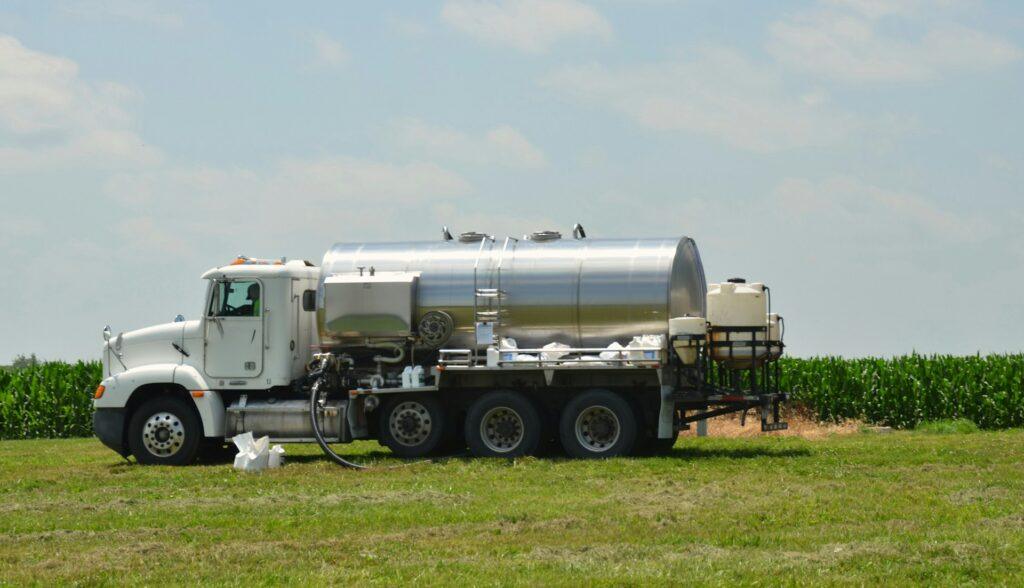
- Regular interceptor and tank cleaning supported by planned vacuum tanker visits
- Periodic CCTV drain surveys to spot issues before they become blockages
- Clear labelling of drainage points so staff know what each gully or manhole is for
- Spill response plans that reflect the mix of uses on site and the likely risks
Training and communication are just as important as the hardware. Mixed-use sites benefit from simple, regular engagement such as:
- Toolbox talks for on-site maintenance and cleaning teams
- Short guidance notes for tenants on what must never go down a drain
- Pre-summer checks and reminders before footfall and temperatures climb
- Easy-to-read signage in back-of-house areas and bin stores
When everyone understands the basics, it is much easier to prevent everyday mistakes that lead to odours, damage and non-compliance.
How JBM Builds Tailored Solutions for Mixed-Use Sites
At JBM Environmental Services Ltd, we work across the UK providing waste management, including skip hire, recycling, hazardous and liquid waste services. For mixed-use sites, we bring these together into bespoke total waste solutions that take the whole property into account rather than looking at each tenant in isolation.
A total waste management approach to liquid waste disposal on mixed-use sites often includes:
- Site audits to map all liquid waste sources, from kitchens and workshops to car parks
- Unified scheduling for interceptor and tank cleaning that works with trading hours
- Compliant collection, transport and treatment of liquid and hazardous wastes
- Centralised reporting that supports ESG data and regulatory evidence
Seasonal planning is another part of the picture. Ahead of busier summer periods, we help check drainage runs, interceptors and grease management systems so they are ready for higher demand. During peak times, services can be stepped up to cope with increased loads, while rapid response options help keep operations going if spills or blockages occur.
Take Control of Liquid Waste Before Summer Peaks
Mixed-use property owners, managing agents and facilities managers have a lot to juggle. Liquid waste disposal can quietly sit in the background until it becomes an urgent problem. A simple way to get ahead is to commission a site-wide liquid waste audit. This can highlight hidden risks, non-compliance hotspots and opportunities to improve how liquid waste is handled across every part of a mixed-use site.
By working with a provider like JBM Environmental Services Ltd, you can build a joined-up strategy that supports compliance, protects people on site and keeps operations running smoothly, even in the busiest summer months.
Protect Your Site With Reliable Liquid Waste Management Today
If you need compliant, efficient handling of trade effluent or contaminated liquids, we can help you plan safe and cost-effective liquid waste disposal tailored to your operation. At JBM Environmental Services Ltd, we work to minimise disruption to your business while keeping you aligned with current regulations. To arrange a quotation or discuss a regular collection schedule, simply contact us and we will get back to you promptly.
 English
  Arabic