Avoid Fines by Getting Batteries and Specialist Waste Right
Handling batteries and specialist waste on busy UK sites is not just a paperwork issue. It is a real safety and compliance risk that can affect your people, your projects, and your reputation if it goes wrong. Fire incidents, leaks and failed inspections often start with small mistakes in how these materials are stored or thrown away.
Spring and summer bring more projects, more events and more temporary power on the ground. That means more batteries, more electronics and more specialist materials on site. When things speed up, corners can get cut. Our aim is to help you stay on top of the rules, keep everyone safe and keep your waste moving in the right way, without adding extra stress to your team.
At JBM Environmental Services Ltd, we work across the UK with commercial, industrial and event sites. We help organise batteries and specialist waste so it is collected, treated and recorded properly, while still keeping an eye on sustainability and day-to-day costs.
What Counts as Batteries and Specialist Waste on UK Sites
On a real site, batteries and specialist waste do not appear in neat little boxes. They show up in tool chests, plant rooms, welfare cabins and behind stages. Common battery types include:
- Portable batteries, like AA, AAA and small rechargeables
- Lead-acid vehicle and plant batteries
- Lithium-ion packs from tools, e-bikes, access equipment and UPS systems
- Battery modules from lighting towers and temporary power units
Alongside these, many sites produce other specialist waste, such as:
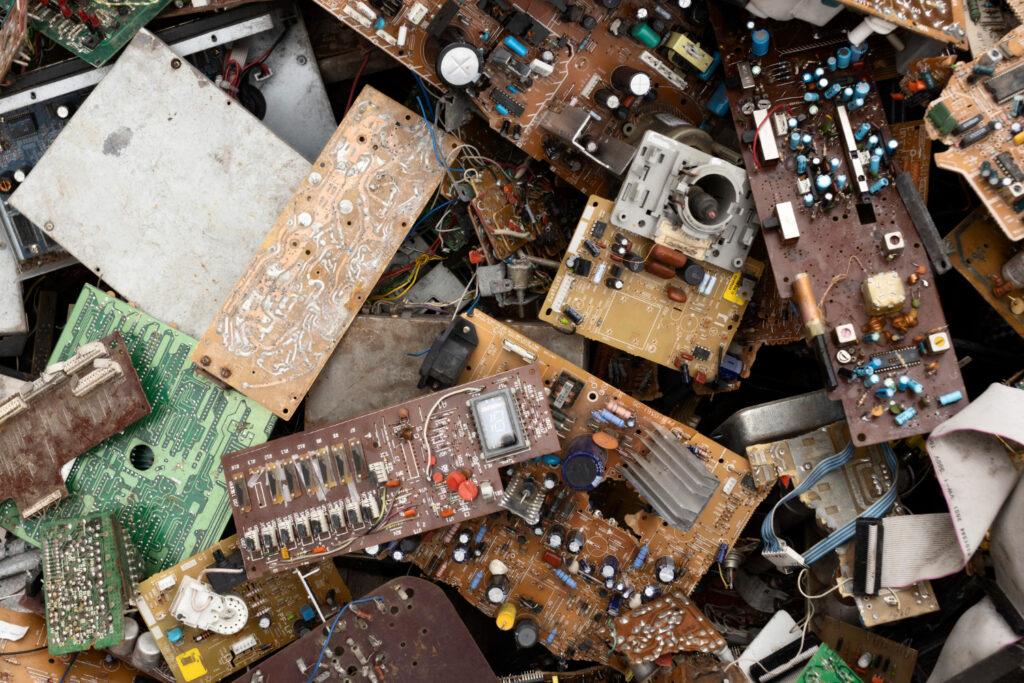
- WEEE (waste electrical and electronic equipment), like radios, monitors, speakers and control units
- Fluorescent tubes and other lamps
- Chemical and paint containers
- Aerosols, oils and oily rags
Construction sites, warehouses, plants, offices and event venues all create these streams without really trying. Radios and in-ear systems run on batteries. LED rigs, emergency lighting and CCTV often have backup power. Forklifts, MEWPs and generators rely on heavy-duty batteries and fluids that quickly become a waste issue once they are spent or damaged.
These materials are regulated for good reasons. Lithium-ion batteries can overheat or catch fire if damaged or stored poorly. Lead-acid batteries can leak corrosive acid. Many batteries and lamps contain metals that can affect soil and water if they end up in general waste. Aerosols and chemical residues bring extra fire and health risks if they are crushed or mixed in skips.
Key UK Rules You Must Know for Batteries and Specialist Waste
You do not need to be a legal expert, but you do need to know the basics. Several sets of rules apply when you handle batteries and specialist waste:
- Batteries and Accumulators Regulations, which cover how batteries are collected, treated and kept out of landfill
- Hazardous Waste Regulations, which apply when batteries or other waste streams are classed as hazardous
- Duty of Care rules under waste law, which say you must manage all waste safely from creation to final treatment
- WEEE rules, which come into play when batteries are part of electrical equipment
In practice, this means site operators must:
- Classify waste correctly as hazardous or non-hazardous
- Use suitable containers, in good condition, with clear labels
- Keep hazardous waste separate from general waste
- Use licensed carriers and approved treatment or recycling sites
Record-keeping is a key part of this. When hazardous waste like lead-acid or lithium-ion batteries leaves site, you will normally need consignment notes. These documents show what was moved, where it went and who handled it. Keeping organised records of volumes, types and movements makes life much easier if the Environment Agency or local officers ask questions.
Safe Storage, Segregation, and Handling on Busy Sites
On a live site, the biggest risks come from poor storage and rushed handling. Good practice for batteries includes:
- Keep batteries dry, covered and out of direct sun where possible
- Protect terminals on larger batteries to prevent short circuits
- Use insulated, fire-resistant containers for lithium-ion packs
- Separate damaged, swollen or leaking units and treat them as higher risk
Segregation matters just as much. A few simple rules go a long way:
- Never throw batteries into general skips or mixed construction waste
- Keep chemicals, oils and batteries in different, clearly marked containers
- Store fluorescent tubes in dedicated tube boxes or coffins to avoid breakage
- Keep incompatible materials apart, for example acids away from alkalis
During busier periods, such as summer projects or outdoor events, the volumes can climb quickly. Temporary compounds, backstage areas and welfare zones should have:
- Clearly signed battery and specialist waste points
- Fire risk controls, such as no smoking zones and proper extinguishers
- Spill kits where there are oils, fuels or acids
- Short toolbox talks or briefings so staff and contractors know what goes where
Choosing the Right Collection, Recycling and Disposal Routes
Once waste is stored safely, it needs the right route off site. There is no single answer, but a mix of services often works best:
- Small on-site battery drop boxes in offices, cabins or crew areas
- Scheduled hazardous collections for batteries, aerosols, chemicals and oily waste
- Dedicated containers for WEEE, metals and fluorescent tubes
- A total waste solution that combines general, recycling, metals and hazardous streams
Compliant recycling and recovery focus on pulling useful materials back into use and treating harmful parts correctly. For example, metals inside batteries can be recovered, acids and electrolytes can be treated safely, and modern lamp treatment avoids releasing mercury to the environment. When all of this is done in a structured way, it can support your wider ESG and sustainability reporting.
This is where a partner like JBM Environmental Services Ltd adds value. We offer UK-wide collections, a range of container sizes, and bundled services for metals, hazardous waste, skips and general waste. We also help with the paperwork and reporting, so your records support your duty of care.
Practical Compliance Checklist for Your Next Project or Event
A simple checklist can keep batteries and specialist waste under control from day one.
Before work starts, make sure you:
- Identify likely battery and specialist waste streams for the site
- Pick safe storage areas away from traffic routes and ignition sources
- Arrange licensed collections and containers in advance
- Brief contractors, subcontractors and event suppliers on where waste goes
During operations, good site controls include:
- Daily or weekly checks on battery and hazardous containers
- Quick removal or isolation of damaged or overheating batteries
- Recording quantities leaving site and matching them to notes
- Clear rules that contractors must not bring their own unapproved disposal methods
At the end of a project or event, do not forget to:
- Clear all hazardous and specialist waste from temporary areas
- Close out consignment note records and file them properly
- Review how recycling and recovery performed against your targets
- Update your site procedures and briefings ready for the next job
Reviewing these steps between projects helps keep people safe, reduces compliance gaps and limits the chance of surprises during inspections.
Partner with JBM to De-Risk Your Batteries and Specialist Waste
Batteries and specialist waste are now a normal part of running commercial, industrial and event sites across the UK. When they are handled well, they support safer operations and better sustainability reporting. When they are handled badly, they can lead to fires, fines and delays.
At JBM Environmental Services Ltd, we support sites of all sizes with practical waste audits, tailored containers and joined-up services for skips, hazardous waste, metals and total waste solutions. By planning batteries and specialist waste carefully, you lower compliance risk, keep projects moving and create a safer environment for staff, contractors and visitors.
Streamline Your Batteries & Specialist Waste Compliance Today
If you are ready to take control of your environmental responsibilities, we can help you manage batteries & specialist waste safely and compliantly. At JBM Environmental Services Ltd, we work with you to design practical collection and disposal solutions that fit your operations. Speak to our team today to discuss your requirements or request a tailored quotation via contact us.
 English
  Arabic