Turn Industrial Waste Into a New Revenue Stream
Industrial sites across the North East are under pressure. Margins are tight, energy costs are high, and production often ramps up as the weather warms and projects stack up. Waste can feel like one more thing on a long list of headaches.
But industrial waste services do not have to be just a tick-box for compliance and safe disposal. With the right approach, your waste can turn into a source of rebates, resale income, and clear cost savings on site. It can support your ESG goals at the same time.
We work with commercial and industrial sites across the UK, including right across the North East, to shift waste from cost-centre to value driver. This playbook walks through how to map the value in your waste, set up rebate and resale streams, and build closed-loop recycling partnerships so your site is ready before peak activity hits.
Audit Your Waste Streams Like a Profit Centre
The starting point is a proper waste audit. Not a quick glance at the yard, but a structured review that treats waste like a potential profit centre.
You want to understand:
- What materials you produce
- How much of each, and when
- How they are stored, moved, and collected
- What you currently pay for handling and disposal
Seasonal patterns matter. Some sites see summer shutdowns with clear-out work and maintenance. Others see production spikes, more packaging, and more pallets. A good audit tracks these shifts so you can plan your industrial waste services around real demand instead of guesswork.
Begin by grouping materials by type and value potential, for example:
- Metals and metal offcuts
- Cardboard and paper packaging
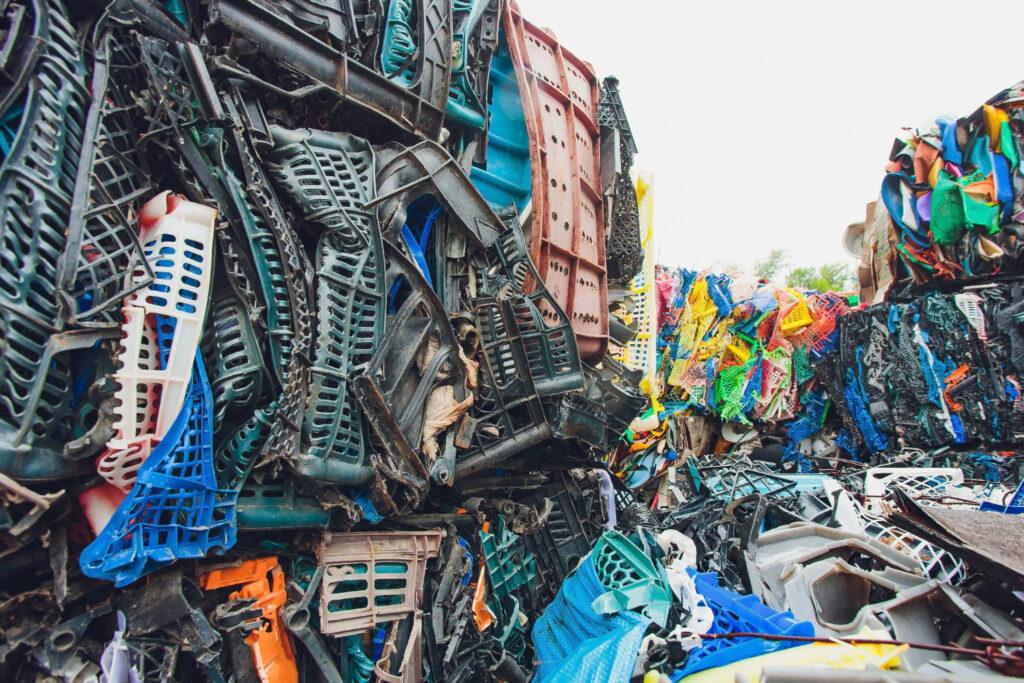
- Plastics, films, and mouldings
- Pallets, crates and other wood
- Oils, solvents and process liquids
- Construction and demolition waste
- Organics from food or green areas
- Niche streams like WEEE and packaging components
With support from a specialist provider, you can capture useful data such as container weights, contamination levels, collection frequency, transport distance, current gate fees, and any rebates you already receive. This is the raw material for a clear business case.
On many North East sites we see the same quick wins appear:
- Separating metals and cardboard out of general waste
- Reducing mixed loads that attract higher treatment fees
- Right-sizing containers so they are collected when full, not half empty
- Tweaking collection schedules to cut haulage trips and rental time
Once this picture is clear, it is much easier to pick where revenue and savings can be created fastest.
Unlock Rebates and Resale From Everyday Materials
Plenty of everyday materials can shift from cost to income if they are clean, well segregated, and presented in the right format. As production and projects ramp up in late spring and summer, the volumes often become high enough for regular, predictable rebate streams.
High-potential materials include:
- Baled cardboard and paper
- Ferrous and non-ferrous metals
- Certain rigid plastics and films
- Wood, especially standard-size pallets
The key is quality. Low contamination, consistent grading and good storage on site make you a more attractive supplier to recyclers and reprocessors. That is where industrial waste services add real value, by helping you set up simple handling rules that staff can follow.
Rebate models can work in different ways:
- Fixed price per tonne, giving you certainty for budgeting
- Market-indexed pricing, where your rate tracks published material values
- Revenue-share, where you and your provider split the income from resale
Each model has its place. Fixed pricing suits sites that value stability. Indexed and revenue-share models can work well where volumes are high and material quality is strong.
Smaller sites often struggle to access good markets on their own. A provider that works UK-wide can aggregate similar materials from multiple North East clients and negotiate stronger routes to market. That way, even modest volumes can still generate value.
Do not forget the often-overlooked items:
- Reusable pallets and crates
- IBCs and drums in good condition
- Scrap metals from maintenance work
- Packaging returns back to key suppliers
- Surplus, in-date materials that can be resold rather than scrapped
Each stream on its own might seem minor. Together they can build into a meaningful income line and a slimmer general waste bill.
Safe, Compliant Handling of Hazardous Value Streams
Hazardous waste can feel like pure risk. It needs careful storage, strict paperwork and controlled transport. But with the right support, it can also be an area where you cut cost and in some cases recover value.
Industrial sites often produce hazardous streams such as:
- Solvents and solvent-based cleaners
- Oils, oil filters and oily rags
- Paints, adhesives and resins
- Contaminated containers and packaging
- Fluorescent tubes and certain lamps
- Batteries of different chemistries
- Chemical sludges and process by-products
Proper classification and segregation are non-negotiable. Getting the European Waste Catalogue codes right, keeping incompatible materials apart, and using clear labels all reduce the chance of incidents. Correct documentation, including consignment notes and ADR-compliant transport where needed, protects your business from regulatory issues.
Good segregation can also lower treatment costs. Mixed hazardous loads are harder and more expensive to treat. When streams are separated, specialist recovery routes open up, such as:
- Oil recovery and re-refining
- Solvent reclamation for reuse
- Processing metal-bearing wastes to recover metals
- Energy-from-waste solutions for suitable residues
A specialist industrial waste services partner can map which of your hazardous streams are simply a cost to control, and which could move into recovery channels that reduce overall spend.
Build Closed-Loop Recycling and Supplier Partnerships
Once your basic segregation and rebate streams are in place, the next step is to look at closed loops. This is where you capture a material from your own process, recycle or reprocess it, then feed it back into your production or that of a close supply partner.
A simple example is packaging. Instead of single-use boxes and wraps that go straight to disposal, you might:
- Introduce returnable packaging with key suppliers
- Use reusable containers for regular shipments
- Agree on take-back schemes for certain components
For events and seasonal campaigns, reusable containers and clearly labelled recycling stations can also form part of a closed loop, especially where the same venues or logistics hubs are used again and again.
The commercial benefits are clear:
- Lower spend on virgin materials
- More stable input costs because you rely less on raw material markets
- Reduced exposure to landfill tax and related disposal charges
- Stronger ESG and sustainability reporting for tenders and stakeholders
A provider like JBM Environmental Services Ltd can coordinate these loops by:
- Designing fit-for-purpose collection systems
- Working with recyclers and reprocessors that meet your specs
- Managing quality standards so returned material works in your process
- Measuring CO2e savings and financial impacts so you can report results with confidence
Closed-loop systems take a bit more planning up front, but once in place they turn waste into a controlled resource that supports your long-term strategy, not just your day-to-day operations.
Put Your North East Waste Profit Plan Into Action
Turning your industrial waste into a source of revenue and savings does not have to be complex. It just needs a clear first step and a focus on the streams that matter most.
For site managers and EHS leads across the North East, a practical starting plan looks like this:
- Arrange a detailed, summer-ready waste audit covering all active areas
- Pick 2 or 3 high-impact streams such as metals, cardboard or pallets for quick wins
- Review current industrial waste services contracts to spot missed rebates and value
- Tighten segregation rules so key materials stay clean and easy to resell
Make it a team effort. Finance can track rebates and savings, procurement can build supplier return schemes into contracts, operations can adjust handling practices, and sustainability teams can pull the results into ESG reporting.
As a UK-wide industrial waste services provider with strong capability across the North East, JBM Environmental Services Ltd helps sites move from basic disposal to value-focused total waste management. Put the core pieces in place before your next peak in activity, then use quieter periods to explore closed-loop recycling, recovery of more complex streams, and more advanced total waste solutions that support your long-term plans.
Streamline Your Industrial Waste Management With Expert Support
If you are ready to improve compliance and reduce disruption on site, our tailored industrial waste services provide reliable, scheduled collections and responsible disposal. At JBM Environmental Services Ltd, we work closely with your team to design practical solutions that fit your operations and regulatory requirements. Speak with our specialists today to discuss your current challenges and set up a service plan that works for you, or contact us to request a quotation.
 English
  Arabic