
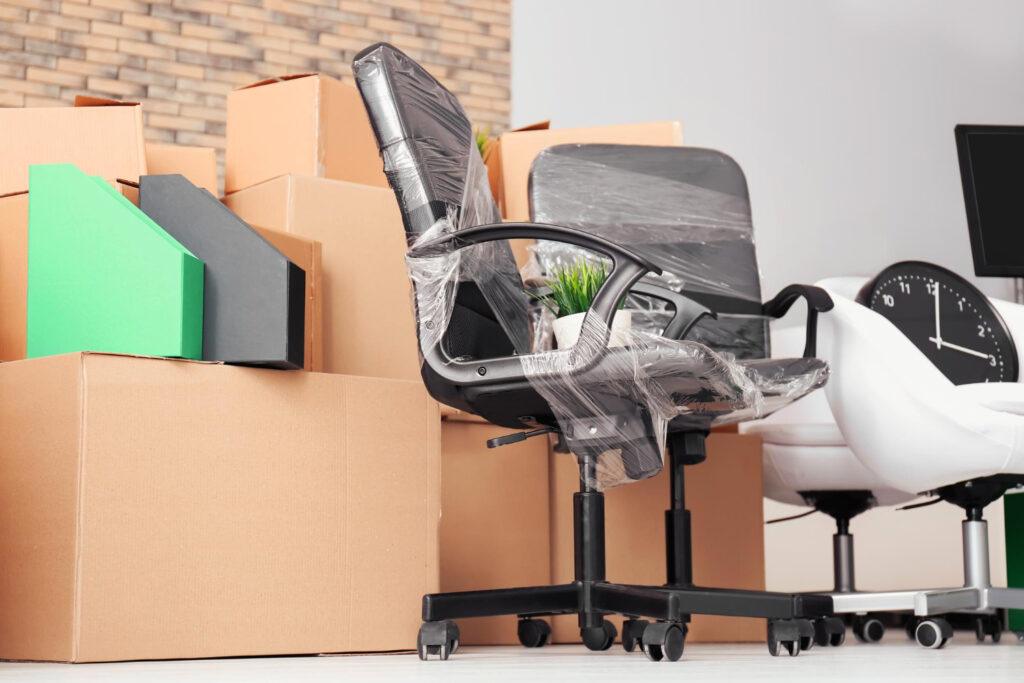
Turning Office Moves Into a Chance to Reset
Furniture disposal is one of the easiest parts of an office move to push to the bottom of the list. Boxes, IT, staff, landlords, and fit-out teams all shout louder. But if unwanted desks, chairs, and storage are not planned in properly, they can cause delays, stress, and extra waste.
An office move is actually a great chance to reset your workspace. You can reduce what you own, refresh what you keep, and avoid shifting old clutter into a new building. When furniture disposal is treated as an afterthought, you risk last-minute clearances, extra vehicle movements, and problems with your Duty of Care for waste.
Handled well, furniture disposal supports staff wellbeing, brand image, and sustainability goals. Handled badly, it can damage your ESG story and leave you with leftover items just as you are trying to hand back the keys. A UK-wide waste partner can plan, remove, recycle, and manage office furniture as part of a wider waste solution so you do not have to juggle lots of separate suppliers.
Why Planning Furniture Disposal Early Saves Money and Stress
Furniture disposal should sit in your office relocation project plan from day one. If it is left until the end, the building is usually full of contractors, access is harder, and there is pressure from the landlord. Early planning keeps things calm and clear.
A simple starting point is a furniture audit. Walk the floors and record what you have, in what condition, and where it is located. Then group items into clear categories:
- Keep and move to new office
- Reuse in other sites or storage
- Donate, resell, or staff take-home
- Recycle, including metal and wood
- Items with hazardous parts or electrical elements
Once you know what you are dealing with, you can line up dates that fit with:
- Lease end and dilapidation works
- New office fit-out and furniture install
- IT decommissioning and network cutover
- Staff move days and phased moves
Early engagement with a waste management provider means you can match the right service to each category. That might include skip hire for bulk items, separate metal recycling, and specialist services for hazardous components. Planning gives time to find the most suitable recycling routes instead of relying on emergency clearances that disrupt business and are harder to control.
Understanding UK Regulations and Duty of Care
When you dispose of office furniture in the UK, you do not just want items gone, you also have legal responsibilities. As a business, you hold Duty of Care for your waste from the moment it is produced until it reaches a permitted site. This applies to furniture, mixed office waste, electricals, and hazardous materials.
Key points to keep in mind include:
- Only use licensed waste carriers and permitted sites
- Keep proper waste transfer notes for all movements
- Make sure waste is correctly described, including hazardous elements
- Do not pass items to informal clearance firms without checks
Common pitfalls during office moves include fly-tipping by unlicensed operators, lack of documentation, or staff removing items without records. Some furniture also includes materials that can be hazardous, such as certain foams, gas lift chair cylinders, electrical desk frames, batteries, and screen mounts.
Working with a reputable waste partner brings structure and traceability. You gain clear paperwork, known disposal routes, and peace of mind that your furniture and related waste are handled in line with UK regulations and local authority rules. That protects both your organisation and your reputation.
Maximising Reuse and Recycling of Office Furniture
Before anything goes near a skip, it is worth asking what can be reused. Reuse usually has the lowest environmental impact and often helps your social value goals too.
Good options include:
- Internal redeployment to other branches or departments
- Staff sales or giveaways, with clear ground rules
- Donations to charities, schools, or community groups
- Holding a small reserve of quality items for future needs
Where reuse is not practical, recycling should be the next focus. Typical routes for common furniture types include:
- Desking: wood panels separated from metal frames for recycling
- Seating: metal bases and frames recycled, fabrics and foams assessed for suitable treatment
- Storage: steel cupboards and filing units sent for metal recycling
- Racking and cages: sorted as scrap metal for recovery
A total waste solution can include separate containers or collections for different streams, such as metal, wood, mixed furniture, and any hazardous elements. This helps reduce what goes to landfill and supports your circular economy and net-zero plans. By treating furniture disposal as part of a wider resource management approach, you build a better story for ESG and CSR reporting.
Coordinating Clearance Logistics for a Smooth Move
Even with a clear plan, the practical side of furniture disposal can be tricky. Office buildings often have tight access, loading limits, or restrictions on lift use. Neighbours may share loading bays, and building managers may only allow certain working hours.
To keep everything running smoothly, think about:
- How vehicles will access loading bays and where they can park
- Whether large items need to be broken down before removal
- Lift booking slots and maximum loads
- Working safely in occupied areas with staff still on site
Different services can be combined to match your building and your move programme. That might mean:
- Skips for high volume, low reuse items
- Man-and-van style collections for selected items with reuse potential
- Separate runs for metal recycling and general furniture
- Specialist handling for electrical desks, screens, and any hazardous components
A detailed clearance timetable, agreed with your move team and building management, makes a big difference. Link furniture removal to IT kit shutdown, fit-out works, and cleaning so that each floor is cleared in the right order. This helps make sure no unwanted furniture is left behind at lease end and that your new office is set up and ready from day one.
Treating Furniture Disposal as Part of a Smart Move
Furniture disposal is not just a clearance task; it is a chance to reset your workspace, cut clutter, support sustainability goals, and show staff that you care about where old items end up. When it is planned early, linked to your move schedule, and handled with proper compliance, it becomes a smooth, low-stress part of the relocation rather than a last-minute scramble.
At JBM Environmental Services Ltd, we work with commercial and industrial clients across the UK to manage office furniture disposal as part of wider waste solutions. By combining skip hire, hazardous waste removal, recycling, and metal recycling, we help turn office moves into organised, responsible projects that support both your day-to-day operations and your long-term environmental aims.
Clear Your Space With Hassle-Free Furniture Disposal Today
If unwanted furniture is taking up valuable space, our team at JBM Environmental Services Ltd can remove it quickly, safely and in line with UK regulations. Explore our dedicated furniture disposal service to see how we handle everything from single items to full property clearances. When you are ready to book or have a question, simply contact us and we will arrange a convenient time that suits you.
 English
  Arabic